Highwire Video
Simone New York x WPP x Adobe Case Study
8/1/2026
/
8 minutes

I created the Simone New York Lookbook as a piece of marketing collateral to submit to WPP. I wanted to show the kind of work I could do if chosen for the role of Junior Creative Technologist (link here). Simone New York is a fictional brand dear to my heart that I have iterated on before (link here) for portfolio purposes.
THE PROBLEM
This time, however, it was different. I challenged myself to create the Fall 2026 Lookbook as a case study. Every case study starts with a problem. In this instance, who is the Simone New York woman, what does she want to wear and why does she want to wear it?
THE BRAND STORY
Simone New York is a Chanel-like brand that makes luxurious things: ready-to-wear and accessories such as handbags and shoes. I once read that Chanel is a brand celebrated by women 8 to 80 and the same goes for Simone New York. A luxury brand is not only defined by its price point, but it is also defined by the materials it uses, its founder and its customers. If Simone New York were sold in actual stores, the flagship would be on Madison Avenue on the Upper East Side of Manhattan.
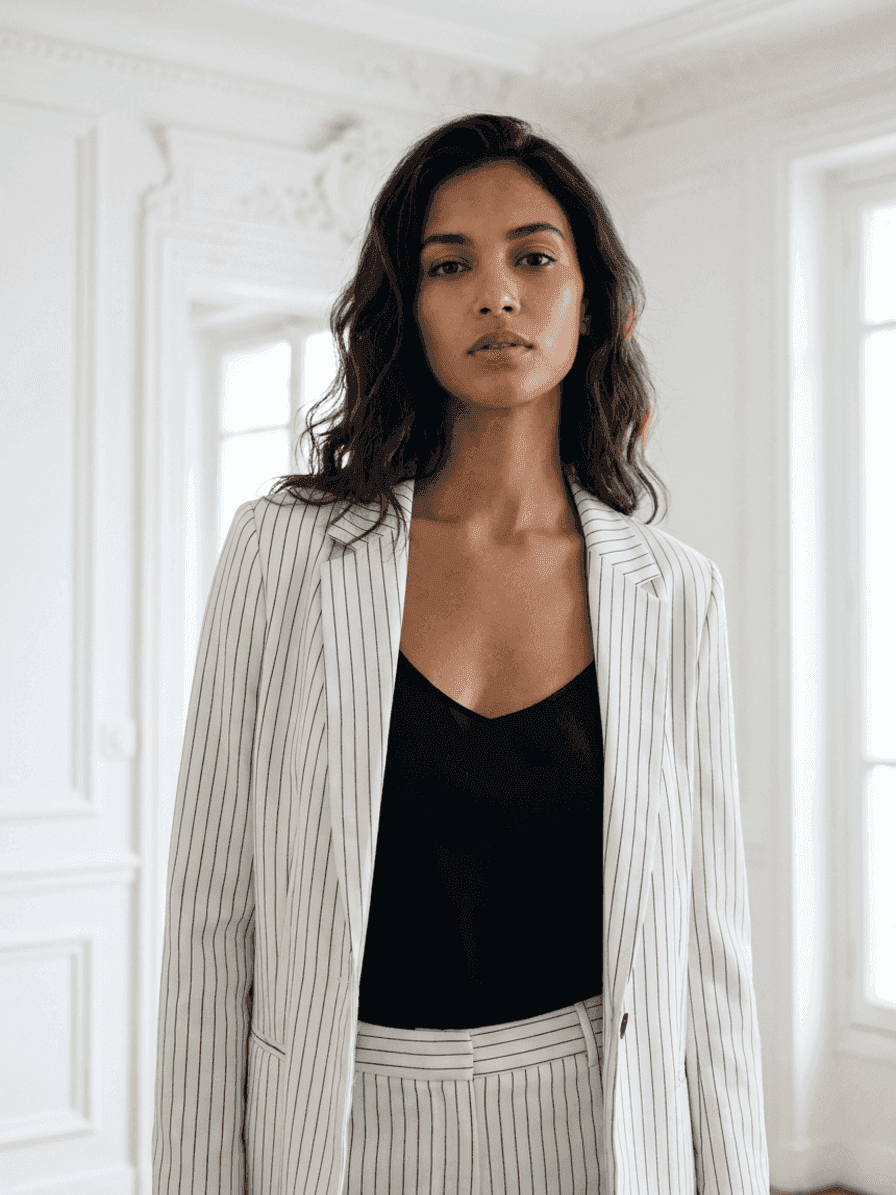
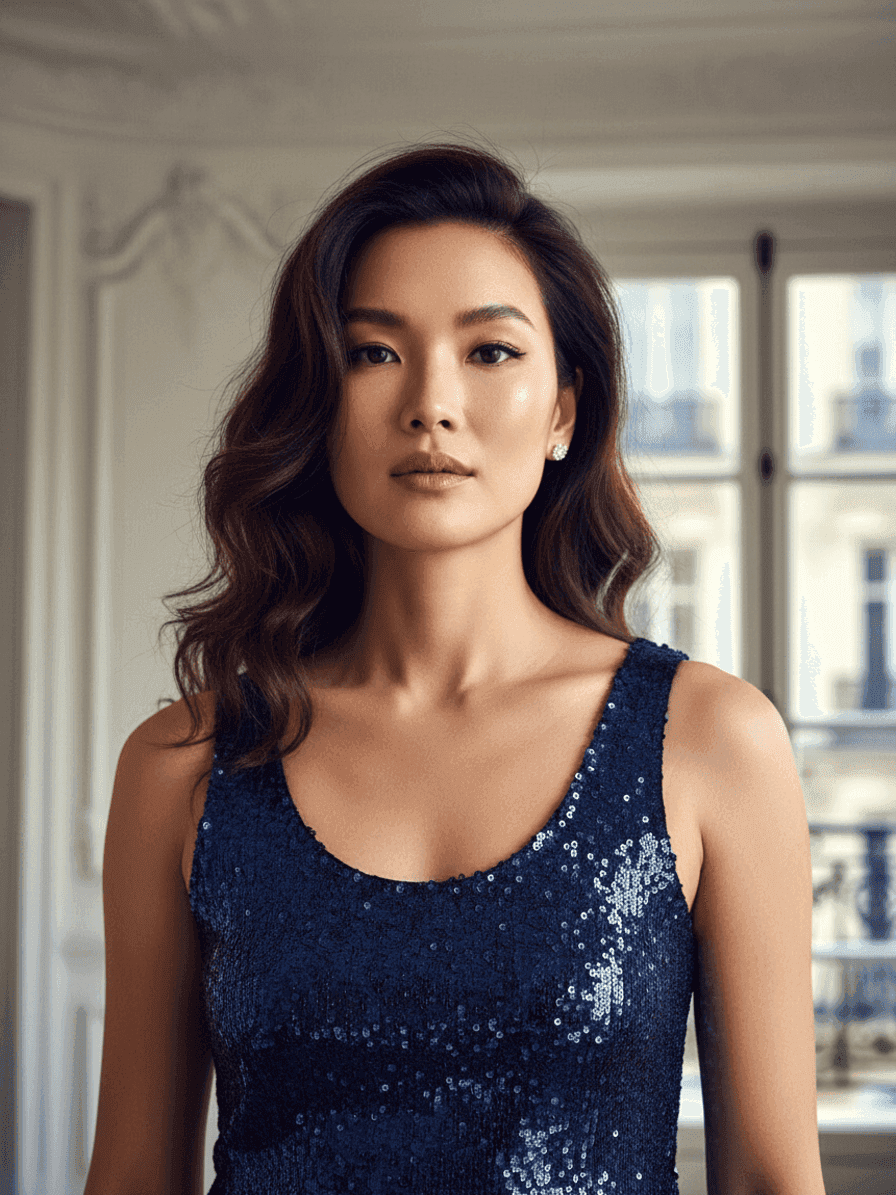
As its creator, I also define the brand as one that celebrates diversity in all its forms hence the “casting” of a varied group of models I did through prompt engineering via Adobe Firefly’s models.
ADOBE FIREFLY
Adobe is a legacy tech company that has a massive portfolio of creative tools. I was thrilled to work with the models inside Firefly to bring this lookbook to life. I relied mostly on Google’s Nano Banana and GPT Image to generate the images featured in this lookbook.

THE COLOR PALETTE
I personally love a muted color palette. It’s not just my personal preference though that lead me to choose black, midnight blue, brown, khaki and white as the color range for the lookbook. The data supports that decision. A simple Google Image search returns these colors (link here). Who What Wear (link here) and Architectural Digest (link here) define the “quiet luxury” color palette with a mix of these colors.
So what is quiet luxury? Vogue defines (link here) it as:
It’s less austere than minimalism but more polished than “normcore.” It’s Sienna Miller in Anatomy of a Scandal meets off-duty Olsen twins; it’s a battered Hermès Kelly bag or a Max Mara investment coat thrown over an ancient pair of vintage jeans.
It is this very aesthetic that I was aiming for in the lookbook. Simone New York’s clothing and bags don’t bear a loud logo. They have the timeless elegance of a brand that does not need to shout its name much like The Row and Tory Burch.

ANATOMY OF A COVER
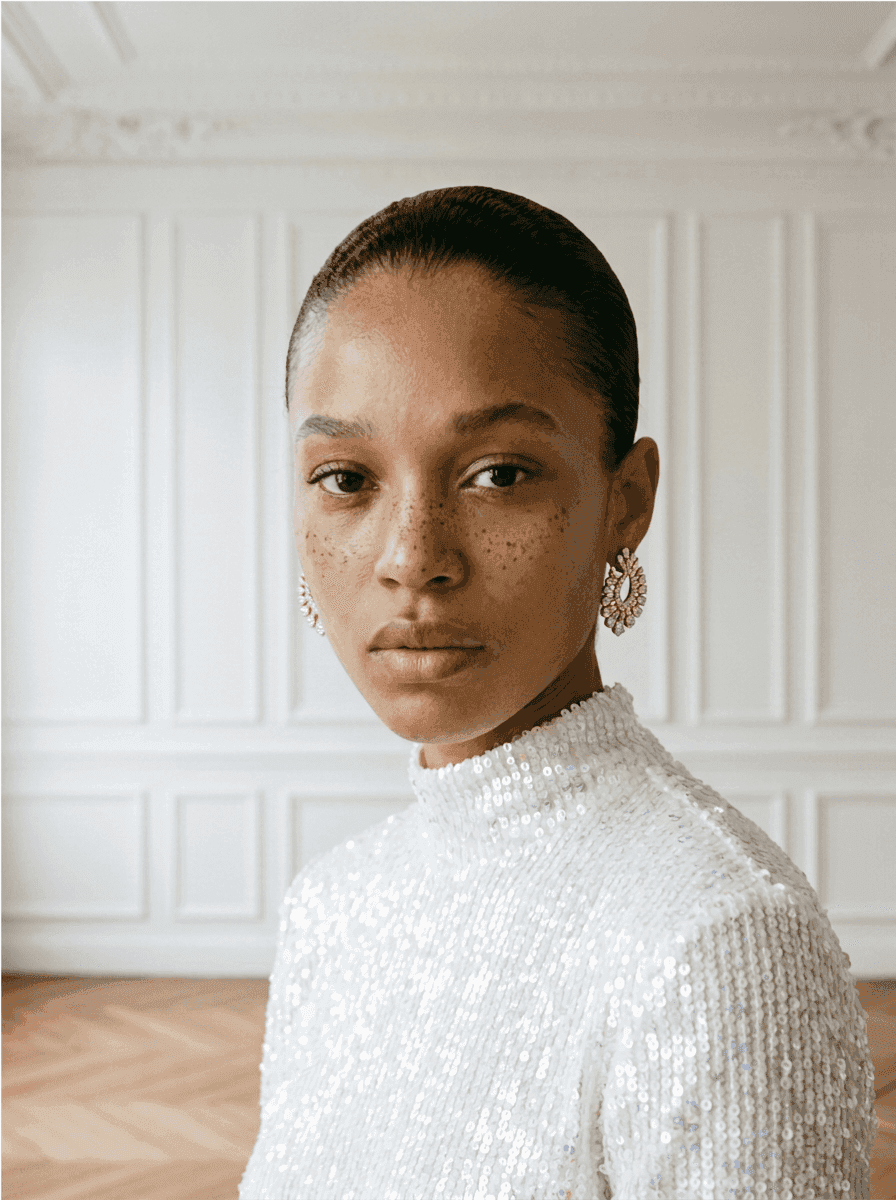
On average, it took about five iterations for me to get the ideal image that I was looking for. Below is the generation history for the cover image as well as the foundational prompt I made changes to in order to generate the different iterations.
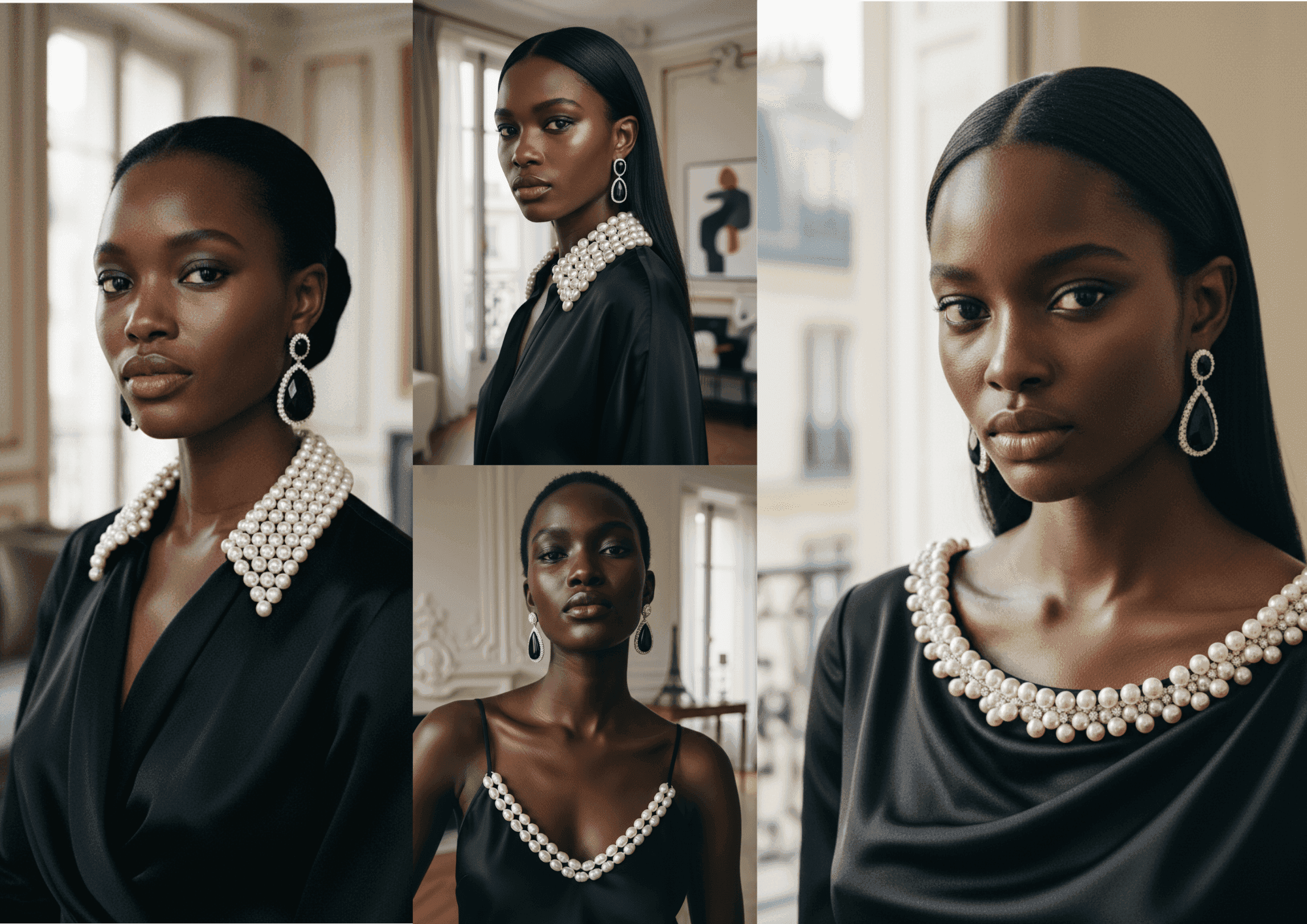
The prompt:
Closeup shot of a Black high fashion model looking directly at the camera, realistic skin texture, and wearing a black silk top with pearls lining the front collar, onyx and diamond earrings, high-end editorial lighting, Parisian apartment background, shallow depth of field, modern fashion magazine aesthetic style. Shot on Hasselblad H6D-100c, 85mm lens, f/5.6, Kodak Portra 400 film stock, 8k, photorealistic.
ANATOMY OF A PROMPT
I had some preexisting images that I had generated using Midjourney that I wanted to use as reference images for the lookbook models.
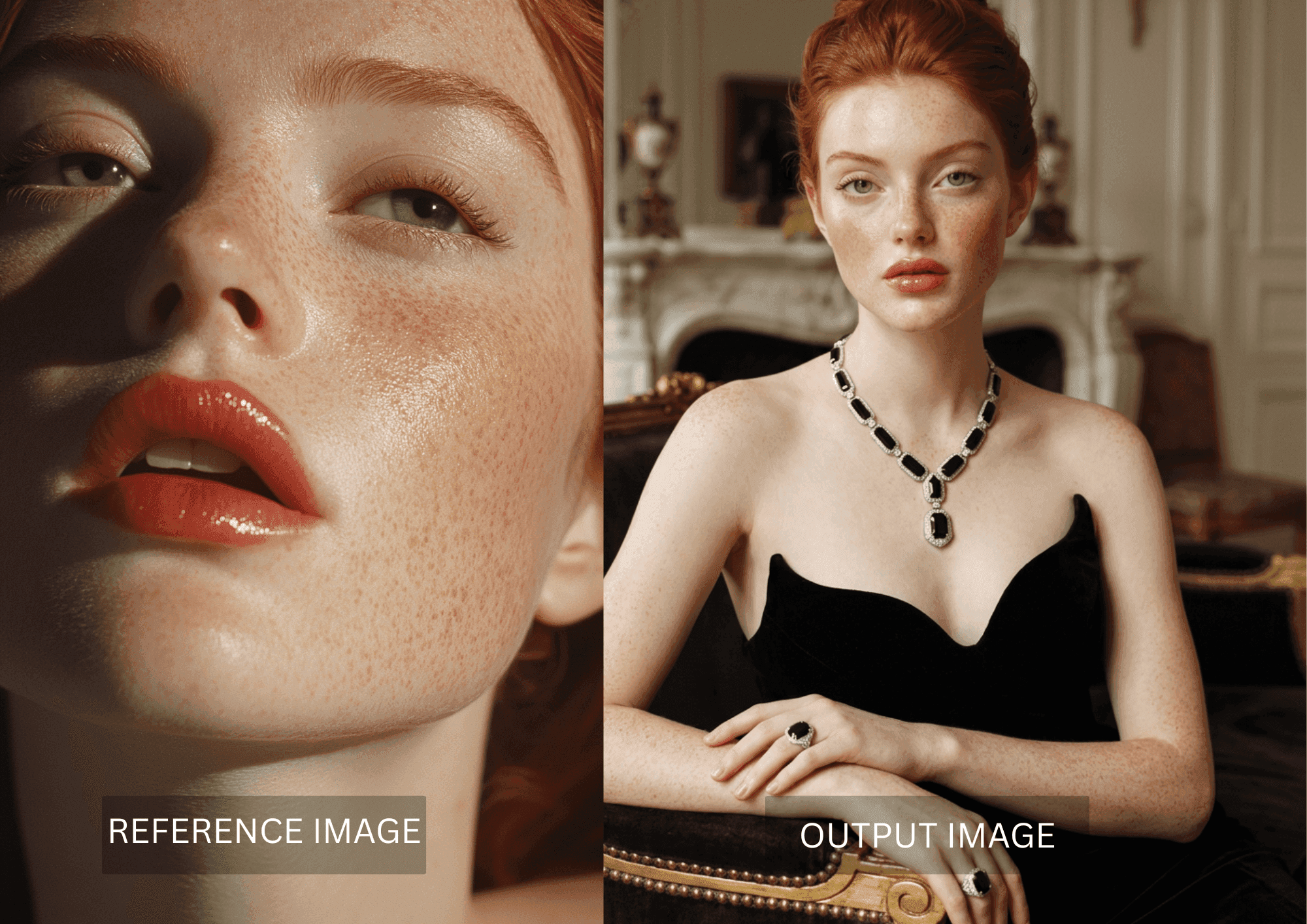
The prompt:
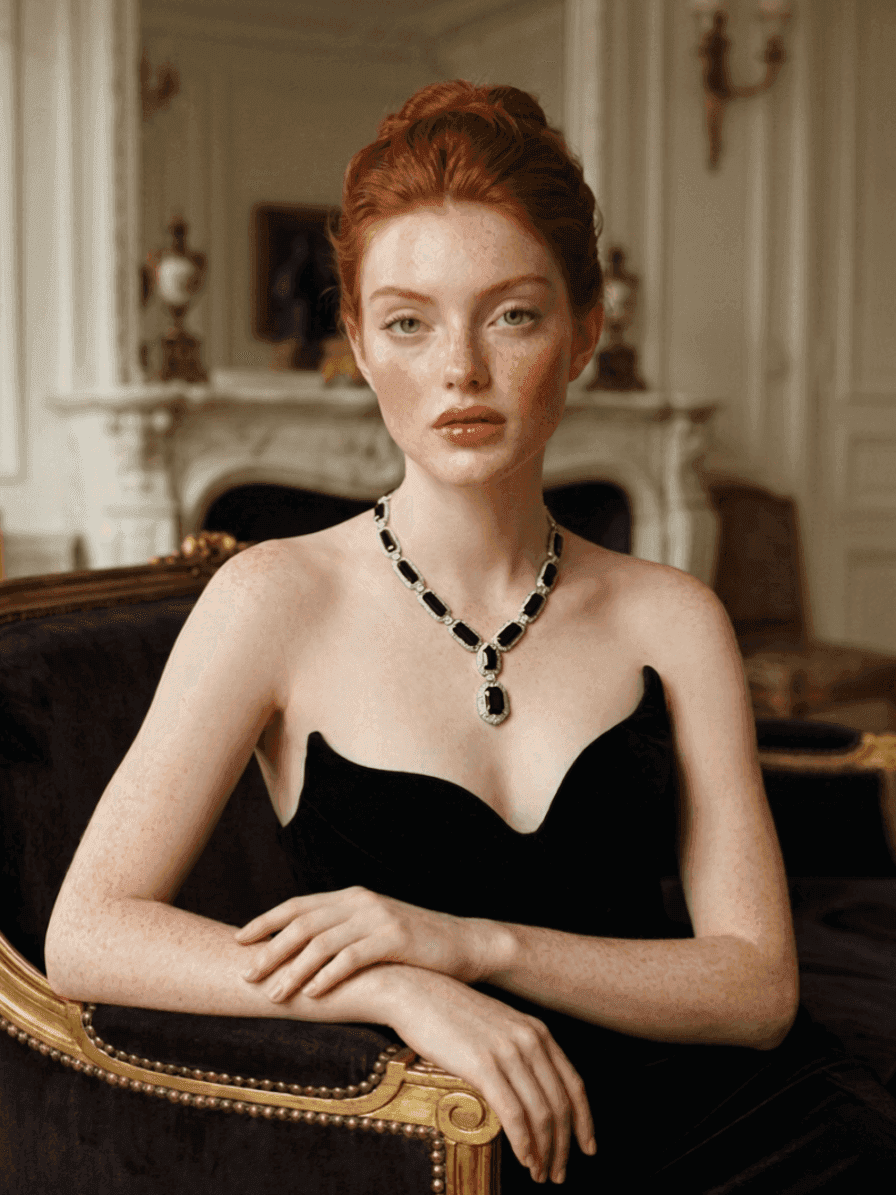
Medium shot of a beautiful red-headed high fashion model looking directly at the camera, seated on a plush divan, wearing an onyx, platinum and diamond necklace and a black couture gown, high-end editorial lighting, Paris apartment background, shallow depth of field, modern fashion magazine aesthetic style. Shot on Hasselblad H6D-100c, 85mm lens, f/5.6, Kodak Portra 400 film stock, ultra-detailed skin texture, 8k, photorealistic.
I did not use this particular output image because the AI model duplicated the ring, giving the female model the same onyx ring on both hands. I was pleased that the AI model did not exactly replicate the reference image but gave me a new face because I wanted to test what the AI model could do.
I had a Midjourney reference image that absolutely failed in that I could not get an output image that matched the quiet luxury aesthetic of the overall lookbook.
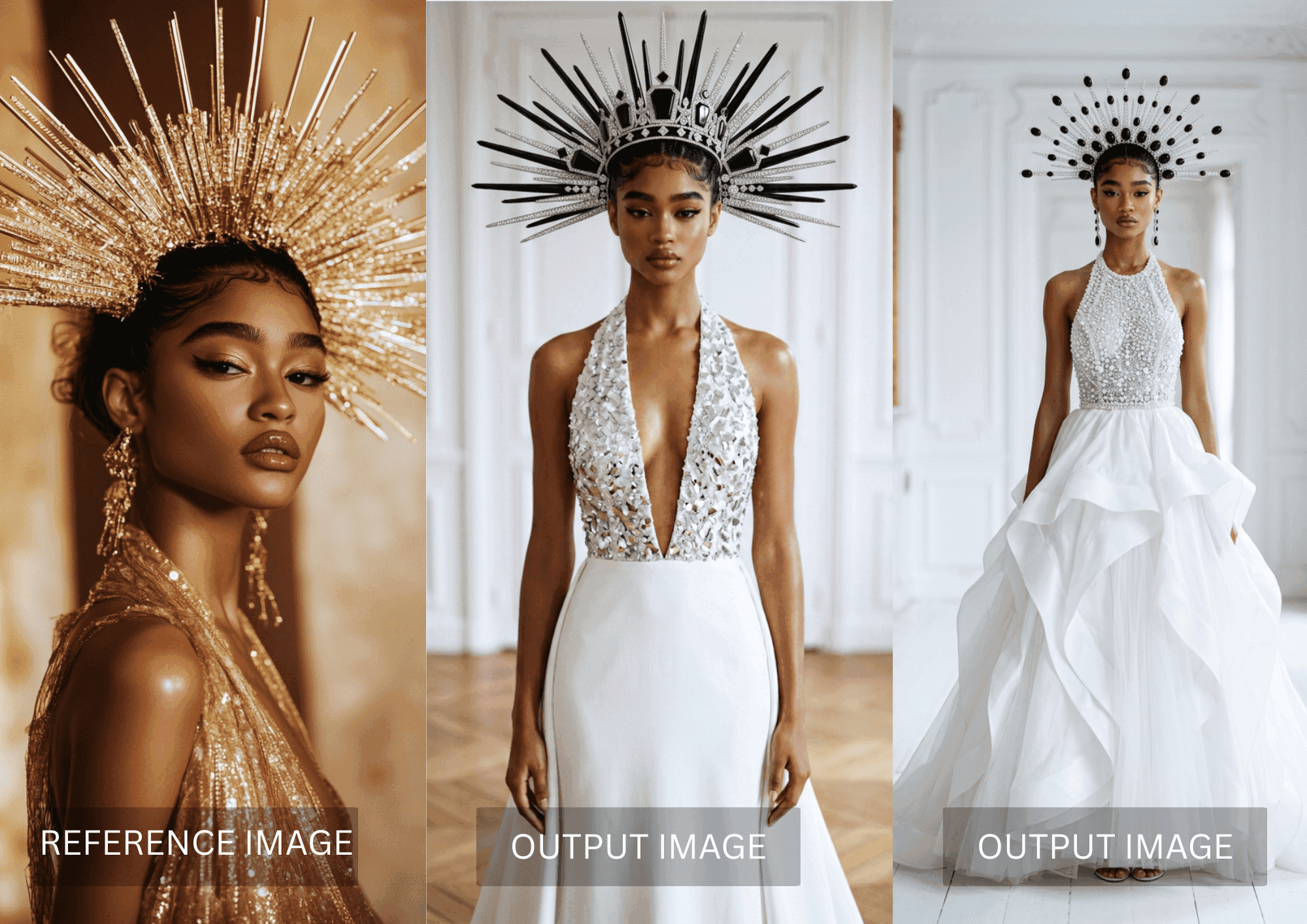
The prompt:
Full-length body shot of a Black high fashion model looking directly at the camera standing up and wearing a white couture gown with a sequined halter top and a black and white onyx and diamond crown, high-end editorial lighting, white Parisian apartment background, shallow depth of field, modern fashion magazine aesthetic style. Shot on Hasselblad H6D-100c, 85mm lens, f/5.6, Kodak Portra 400 film stock, ultra-detailed skin texture, 8k, photorealistic.
I wasn’t satisfied with the crown on the output images. It didn’t seem to embody the Simone New York aesthetic. There was also some artifacting in the halter top portion of the gown in the middle image.
I was pleased overall that Adobe Firefly did not return many artifacts in general as I was iterating but there were some challenges.
THE CHALLENGES
I spent 500 credits training a custom model using 10 exemplar images. After doing so, I found that I still had to use the same foundational prompt and tweak it for each iteration. Each iteration did not in fact hew very closely to my initial aesthetic so I ended up having to put the custom model aside and go back to old-fashioned prompting. This is the foundational prompt that I used:
[Wide] shot of a [Black] high fashion model [with freckles] looking directly at the camera wearing a [black and white tweed skirt suit], with [sharp facial features and slick-backed hair], high-end editorial lighting, white Parisian apartment background as in the reference photo, shallow depth of field, modern fashion magazine aesthetic style. Shot on Hasselblad H6D-100c, 85mm lens, f/5.6, Kodak Portra 400 film stock, ultra-detailed skin texture, 8k, photorealistic.
The elements above in brackets are elements that I changed throughout the iterative process of creating the lookbook images.

Above are some reasons that I rejected the images that were generated. I had a very solid idea of what I was looking for, so I was easily able to discard images that didn’t fit my aesthetic.
Another issue I had that was native to the platform was the inability to export images at 300 DPI for printing. I am not sure how many people print the images that they generate through Adobe Firefly, but it is a capability that Adobe should consider adding. I was able to upscale images and set the proper DPI in Recraft (link here). Then I exported the files in PDF format and uploaded to Print with Canva in order to get the magazine printed. See the final results below.
CONCLUSION
So who is the Simone New York woman? She is a woman who appreciates the finer things in life and understated luxury. She does not pursue logos and "bling" but instead opts for neutral colors that draw just the right kind of attention that is to say not too much.
If I were doing a campaign like this for a Hex Studio (link here) client, I would ask clarifying questions of the client at the start to get a sense of their target demographic, create a visual identity with colors that sits firmly within their brand guidelines and make sure that the generated creative (assuming they're using AI) matches their overall brand aesthetic and overarching style.
It has been a sincere pleasure to create this mock campaign to show what I can achieve with AI. It is this attention to detail and creativity that I would bring to Hex.









Hillary Wright
Share Article